
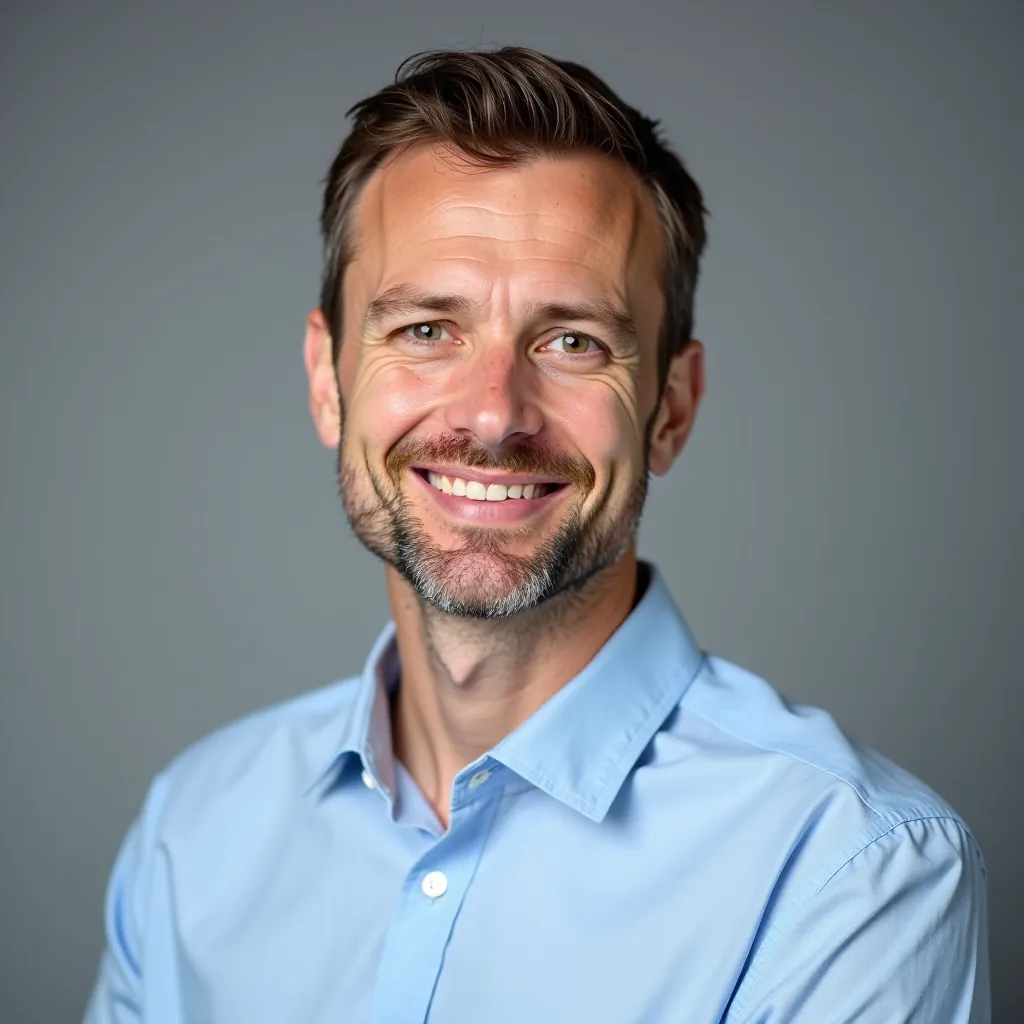
The Journey Begins
A Grandfather's Workshop
At fourteen years old, Andris spent his summers in his grandfather's workshop at their Sigulda country house. That's where it all started. Not with grand ambitions or a formal plan — just a kid curious about how things work. His grandfather taught him to listen to the wood, to feel the grain, to respect the tools. Those afternoons shaped everything that came later.
Formal Training & Professional Work
Andris studied at Riga Technical University's Department of Wood Processing and Materials Science, where he learned the science behind the craft. Theory mattered, but it was the hands-on restoration work that really taught him. For twelve years, he worked as a professional furniture maker and restoration specialist, completing commissions for private clients across the Baltics. Each project was different — from period furniture restoration to custom dining tables — and each one deepened his understanding of what actually works.
The Teaching Shift
Around 2010, Andris noticed something. People wanted to learn woodworking, but they didn't have access to real instruction. They'd buy books, watch videos, but they'd get stuck. There's a gap between knowing what to do and actually doing it well. That's when he started teaching workshops, first informally with friends, then more seriously. He developed a curriculum that works in real spaces — tight apartment balconies, garage corners, country house sheds. He proved that you don't need a professional shop to make real furniture.
What Drives Him Today
Over 2,000 beginners have gone through Andris's workshops. Some built a simple cutting board and stopped. Others caught the bug and now have serious home workshops. That's the real win — not creating professional woodworkers (though some have gone that route), but giving people the confidence and skill to build things they use every day. He's written detailed guides on hand tools, workspace optimization, and beginner projects because he believes good woodworking shouldn't be gatekept. It should be accessible. It should be achievable. And it definitely shouldn't require an industrial workshop or a trust fund.