
Chisels: The Foundation of Hand Tool Work
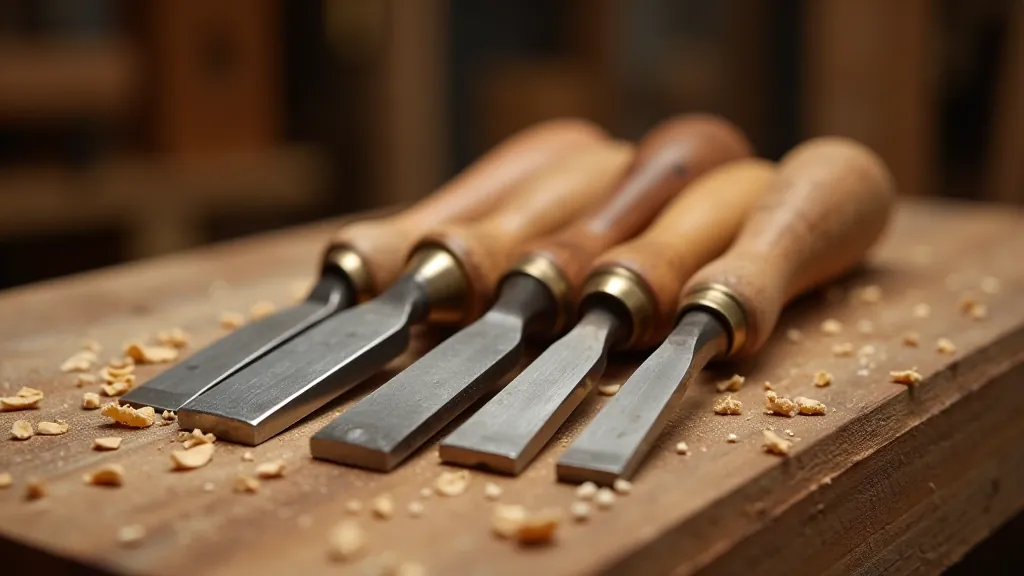
Chisels are where every woodworker starts. You'll use them for cleaning joints, cutting mortises, and detail work. Don't buy a 12-piece set right away — that's overwhelming and expensive.
What you actually need: a 1/4-inch, 1/2-inch, 3/4-inch, and 1-inch chisel. These four sizes handle 95% of beginner projects. Look for brands with solid construction — the handle shouldn't be loose, and the blade should hold an edge for weeks of regular use, not hours.
The difference between a quality chisel and a cheap one becomes obvious the moment you start working. Good chisels take less effort to drive through wood, cut cleaner, and won't splinter or dull immediately. You'll actually enjoy using them.
Saws: Cutting with Control and Precision
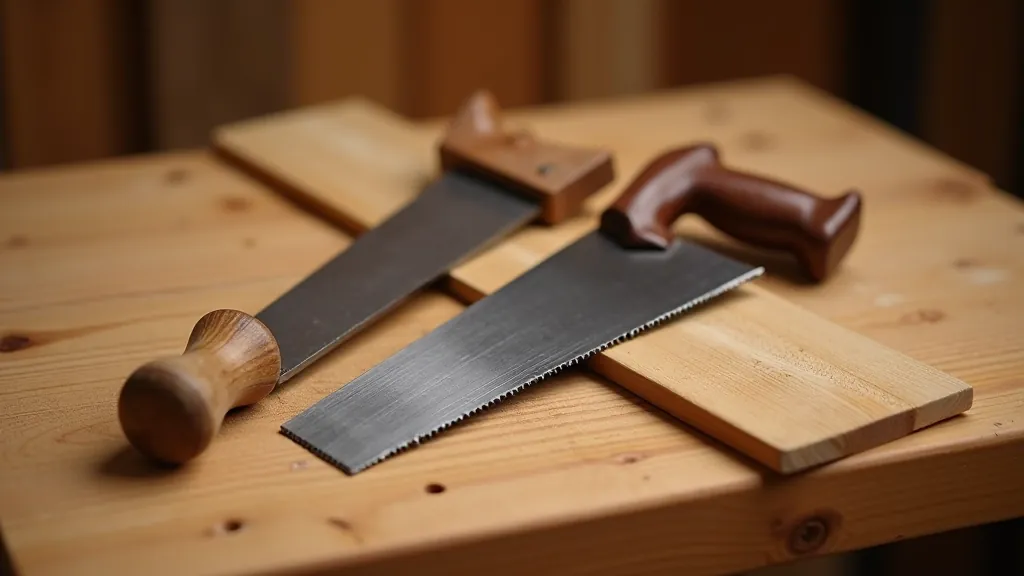
You'll need two main saws: a crosscut handsaw and a Japanese pull saw. The handsaw cuts across the grain and handles general cutting tasks. The Japanese saw, which pulls toward you instead of pushing away, cuts faster and more smoothly because of its thinner blade.
Don't get confused by the huge range of specialty saws out there. Rip saws, dovetail saws, frame saws — these are for later projects when you've got experience. Right now, these two saws handle everything from rough cuts to joinery.
A quality handsaw costs about 30-40 euros, and a decent Japanese saw runs similar. They're investments that'll outlast you if you care for them properly.
Explore Related Projects
Planes: Smoothing and Shaping Wood
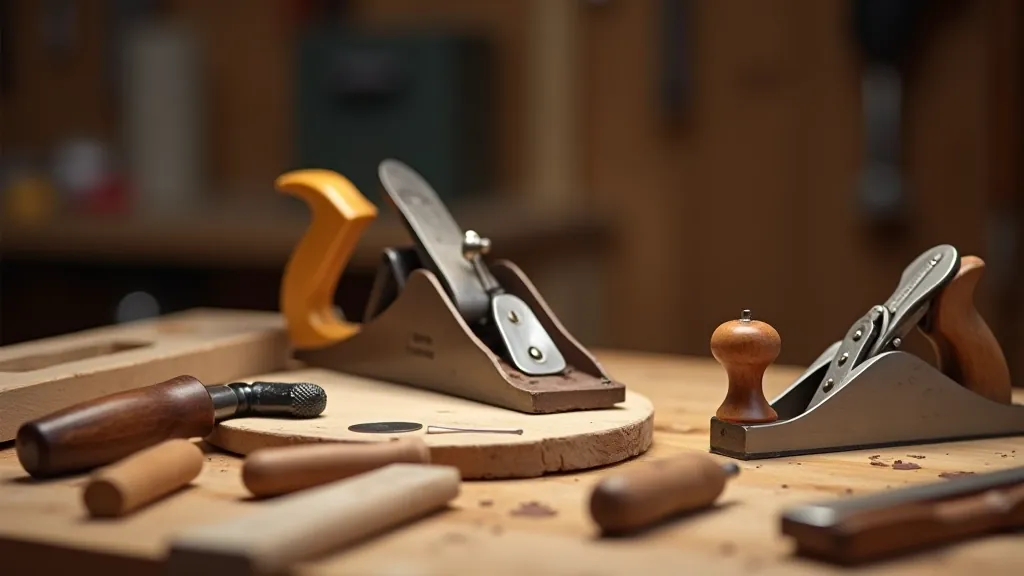
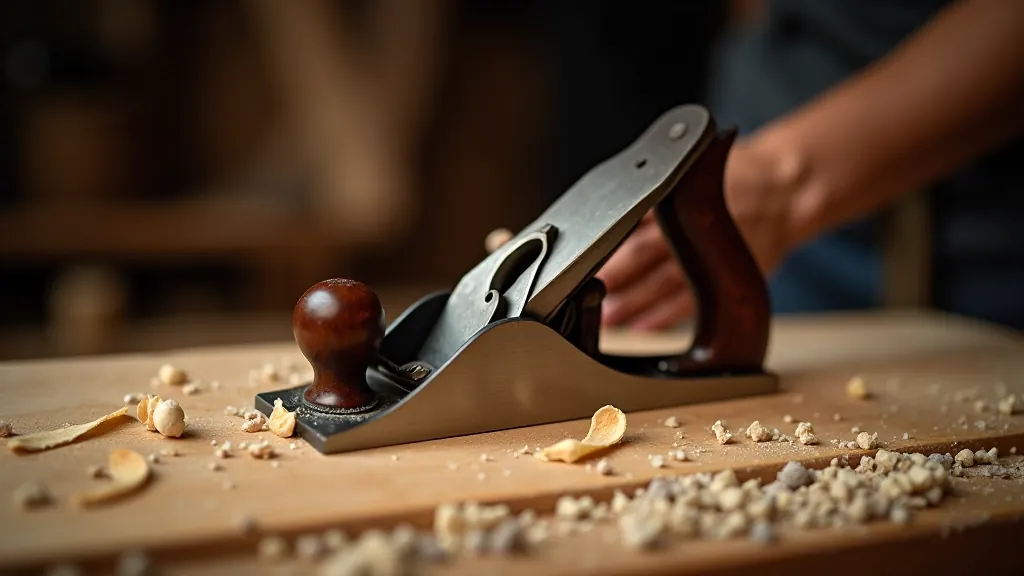
A hand plane seems intimidating at first, but it's honestly one of the most satisfying tools to use. You'll primarily need a #4 or #5 bench plane — it smooths surfaces and removes minor imperfections that sanding alone can't fix.
Here's what makes planes special: when you run a sharp plane over wood, you get smooth, grain-following surfaces that actually show the wood's beauty. Sanding can dull that quality. A good plane takes practice to tune properly — blade sharpness, sole flatness, depth setting — but that's part of learning real woodworking technique.
You don't need multiple planes yet. One good bench plane handles most smoothing work. Later, if you get into joinery or specialized work, you'll add specialty planes. But that's not beginner territory.
Clamps and Measuring Tools: The Unsung Heroes
You absolutely need clamps. Seriously. You can't do joinery, gluing, or assembly without them. Start with at least four 24-inch bar clamps and a few smaller hand clamps. They don't need to be fancy — basic clamps work fine, but they need to hold tight without slipping.
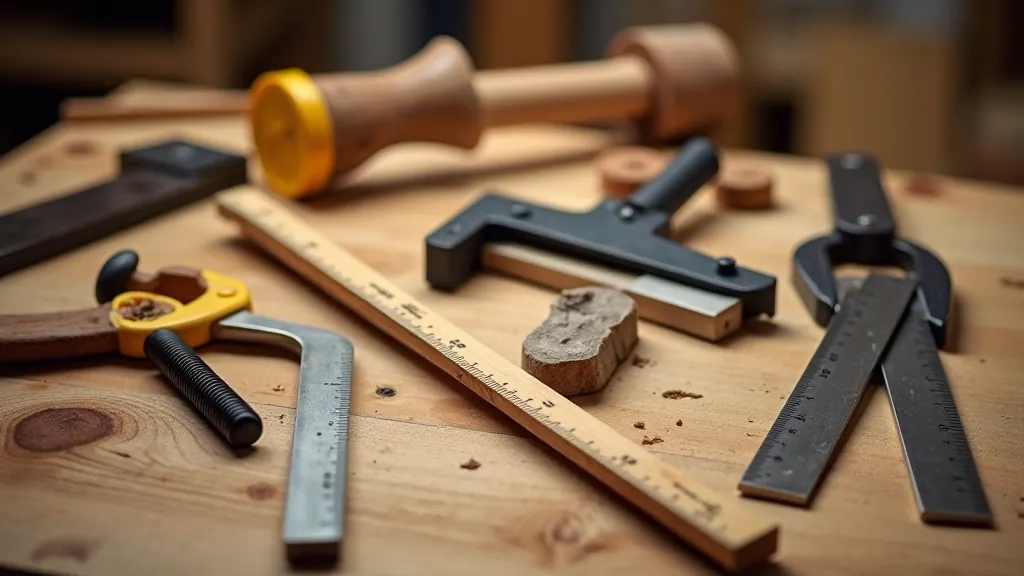
For measuring, you'll need: a 25-foot tape measure, a combination square, and a marking gauge. These aren't glamorous, but accuracy starts with proper measurement. A quality tape measure costs 10-15 euros and lasts years. Cheap ones jam, rewind poorly, and give inconsistent readings.
The combination square is probably the most useful single measuring tool you'll own. It marks straight lines, checks 90-degree angles, and measures depths. It's in your hand constantly once you start working.
Educational Note
This guide provides informational content about basic woodworking hand tools for educational purposes. Specific tool recommendations and techniques should be adapted to your individual needs, workspace, and experience level. Always follow manufacturer safety guidelines and consult experienced woodworkers in your area for personalized advice on tool selection and workshop setup. Woodworking involves risks — proper training and safety practices are essential before starting any projects.
Building Your Tool Kit Gradually
You don't buy everything at once. Start with the four chisels, two saws, one plane, and your measuring tools. That's maybe 150-200 euros invested in tools that'll genuinely last decades if cared for properly.
As you work on projects and discover what you actually need, you'll add more tools. Maybe a block plane after your first month. A shoulder plane once you're doing more joinery. Specialty saws as specific projects demand them. This gradual approach means you're not wasting money on tools you'll never use, and you're building skill with each new addition.
The real lesson? Quality beats quantity. Five tools you love using and maintain properly will teach you more than fifty cheap tools gathering dust. That's how real woodworking skills develop — through consistent practice with good equipment.
Ready for Your First Project?
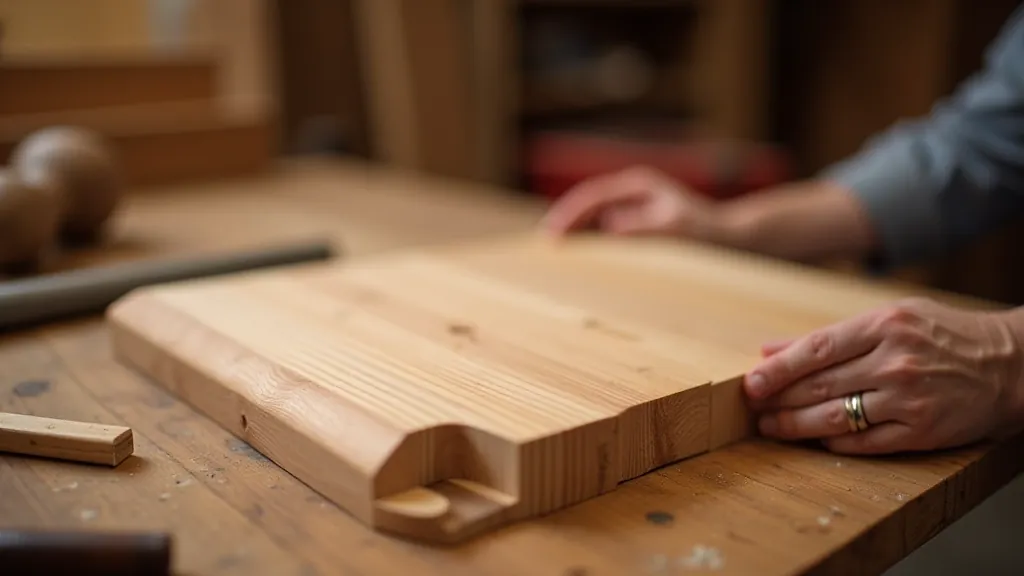
Once you've got your basic tools, start with a cutting board. It's manageable, teaches fundamental skills, and you'll actually use it.
Read the Cutting Board Guide